网站导航



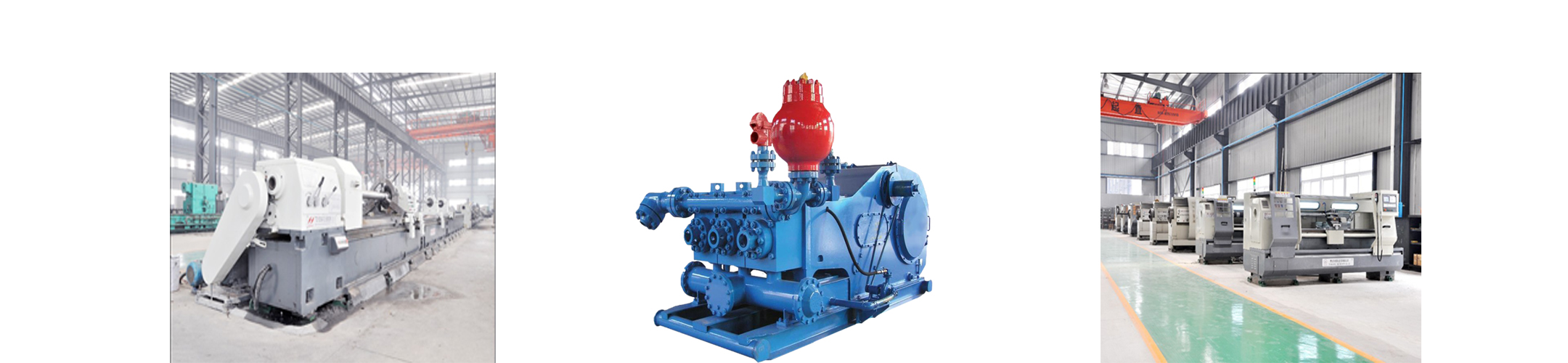
Success in petroleum exploration is built on a foundation of precision engineering and reliable equipment. For any modern drilling rig, the mud pump is a central component that directly impacts the safety and efficiency of the entire operation. However, with various models and specifications available, selecting the right one can be a complex task. The F series mud pump has become a staple in the industry due to its versatility and power, but understanding how to match a pump's capabilities to your specific project needs is essential for long-term success.
The first step in mud pump selection is to clearly define the technical requirements of your well program. Are you drilling a shallow exploration well or a deep, high-pressure development well? The F series mud pump comes in various ratings, such as the F-500, F-1000, F-1300, and F-1600. Each level offers different discharge pressures and flow rates. For deep wells, you need a mud pump capable of maintaining high pressure to overcome the hydrostatic head and circulate fluid effectively from thousands of meters below the surface. Investing in a pump with a higher pressure rating than your current needs can also provide a safety margin for unexpected drilling conditions.
In the past, duplex pumps were common in petroleum exploration, but today, the triplex design—exemplified by the F series mud pump—is the clear choice for professional drillers. Triplex pumps feature three pistons, which results in a much smoother flow with significantly less pulsation than two-piston duplex models. This reduced pulsation is easier on the entire high-pressure system, including the rotary hose, swivel, and drill string. Furthermore, an F series mud pump is generally more compact and lighter than a duplex pump of similar power, making it easier to mobilize for remote exploration projects where logistics are a major challenge.
When choosing an F series mud pump, you must also consider how it will be powered. Most oil drilling rigs use either diesel engines or electric motors (DC or AC). The integration of the drive system with the mud pump is critical for efficiency. AC-driven pumps, for instance, offer precise control over pump speed and pressure, allowing for better "drilling by the numbers." Ensure that the power end of your chosen mud pump is compatible with your rig's existing power infrastructure. A well-matched drive system not only improves performance but also reduces fuel consumption and emissions during petroleum exploration.
The fluid end of an F series mud pump is the part that actually comes into contact with the drilling mud. Versatility here is key. Look for a mud pump that allows for a range of liner sizes. Changing the liner size allows you to adjust the ratio between pressure and volume; larger liners provide more volume at lower pressure, while smaller liners provide higher pressure at lower volume. This flexibility is invaluable in petroleum exploration, where geological conditions can change rapidly. The ease of switching liners and pistons in an F series mud pump makes it an adaptable tool for a variety of drilling scenarios.
A mud pump is a major investment, and its reliability is paramount. Beyond the technical specs, consider the reputation of the manufacturer and the availability of after-sales support. Because the F series mud pump design is a global standard, finding spare parts and experienced service technicians is relatively easy. However, choosing a partner like Rig-Pump ensures that you are getting equipment built to the highest quality standards with the technical expertise to support you in the field. In petroleum exploration, where equipment downtime can cost thousands of dollars per hour, the value of a reliable pump and a supportive partner cannot be overstated.
During the selection process, don't overlook how easy the mud pump is to maintain. The design of the F series mud pump prioritizes accessibility. Check that the fluid end components can be reached and replaced without excessive effort or specialized heavy lifting equipment. Features like quick-change valve covers and easily accessible piston rods can save hours of labor during routine maintenance cycles. A mud pump that is easy to service is more likely to be serviced correctly and on time, which is the best way to ensure it lasts for the duration of your petroleum exploration program.
Choosing the right mud pump is a strategic decision that affects the viability of your petroleum exploration projects. By focusing on your specific pressure and flow needs, the advantages of triplex technology, and the importance of manufacturer support, you can select an F series mud pump that provides the right balance of power and reliability. Don't settle for less when it comes to the heart of your rig. Visit Rig-Pump to explore our full line of F series solutions and consult with our experts to find the perfect match for your next drilling challenge.


