网站导航



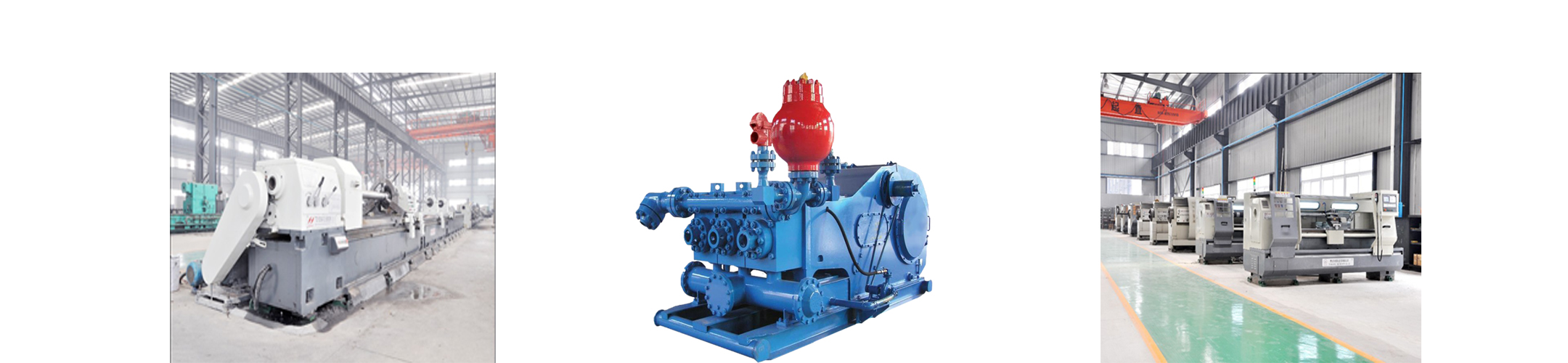
In the high-stakes world of oil drilling, equipment failure can lead to significant financial losses and safety risks. As the heart of the drilling fluid circulation system, the F series mud pump requires diligent care and attention to perform at its peak. Regular maintenance is not just about fixing what’s broken; it’s about proactive prevention and ensuring that your mud pump remains a reliable asset for years to come. In this guide, we will explore some essential maintenance tips to help you get the most out of your F series mud pump fleet.
Before any drilling operation begins, a thorough inspection of the F series mud pump is mandatory. A pre-shift walkaround can help identify potential issues before they escalate into major failures. Check for leaks around the fluid end, ensure that all connections are secure, and verify the levels in the lubrication system. Inspect the belts and pulleys for signs of wear or improper tension. By making this inspection a part of your daily routine, you can significantly reduce the risk of unexpected downtime for your mud pump and keep your oil drilling project on track.
The fluid end of an F series mud pump is where the most significant wear and tear occurs due to the abrasive nature of drilling mud. Components such as pistons, liners, and valves are under constant stress. It is crucial to monitor these parts regularly. Check the condition of the piston seals and look for scoring on the liner surface. Replacing these "expendable" items before they fail completely is a cost-effective strategy. Using high-quality, OEM-standard spare parts for your mud pump ensures that the replacements fit perfectly and offer the same level of performance as the originals.
Proper lubrication is vital for the longevity of the "power end" components in an F series mud pump. The crankshaft, bearings, and crossheads rely on a consistent supply of clean oil to operate smoothly. Regularly check the oil quality and change it according to the manufacturer's recommendations. Contaminated oil can lead to premature wear and catastrophic failure of internal components. Additionally, ensure that the forced lubrication system and any splash lubrication mechanisms are functioning correctly. A well-lubricated mud pump is a quiet, efficient, and long-lasting machine.
The valves and seats are critical for maintaining the high pressure and volume required in oil drilling. Worn or damaged valves can cause cavitation and reduced efficiency in an F series mud pump. During maintenance checks, inspect the valve rubber seals for cracks or deformation and ensure the valve seats are not washed out. Proper seating is essential for preventing backflow and ensuring a consistent discharge. If you notice a drop in pressure or unusual noises from the fluid end of your mud pump, the valves and seats are often the first place to look.
Modern oil drilling operations often use sensors to monitor the performance of key equipment. For an F series mud pump, monitoring discharge pressure and vibration levels can provide early warning signs of internal trouble. Sudden drops in pressure may indicate a failed valve or a worn piston, while unusual vibrations can point to issues with the power end bearings or crankshaft alignment. By integrating these metrics into your maintenance program, you can move from reactive repairs to a more sophisticated predictive maintenance model for your mud pump assets.
Maintenance is only as effective as the people performing it. Ensuring that your rig crew and maintenance technicians are properly trained on the specifics of the F series mud pump is a worthwhile investment. They should understand the technical nuances of the pump, know how to interpret performance data, and be proficient in safe repair procedures. A knowledgeable team can spot subtle changes in the mud pump's behavior that a less experienced eye might miss. When everyone on the rig takes ownership of equipment care, the reliability of the entire oil drilling project improves.
Ultimately, the reliability of an F series mud pump is a reflection of the care it receives. By following these essential maintenance tips—regular inspections, timely parts replacement, and meticulous lubrication—you can ensure your mud pump delivers peak performance throughout its lifespan. Efficiency and safety in oil drilling depend on equipment that doesn't quit. To learn more about our robust pumps and discover how we support our customers with high-quality spares and expertise, visit us at Rig-Pump today. Let’s keep your drilling operations running smoothly.


